


Pauly, Daniel (Prof. Dr.)
Daniel Pauly studied fisheries science in Germany but spent much of his career in the tropics, notably in the Philippines. Since 1994, he is a Professor of Fisheries at the University of British Columbia, in Vancouver, Canada, where he directs the Sea Around Us. Its research is devoted to studying, documenting and mitigating the impact of fisheries, and increasingly, the effects of global warming, on the world’s fish and marine ecosystems. The concepts, methods and software Daniel Pauly (co-)developed, are documented in over 1000 widely-cited publications, and have led to his receiving multiple scientific awards.
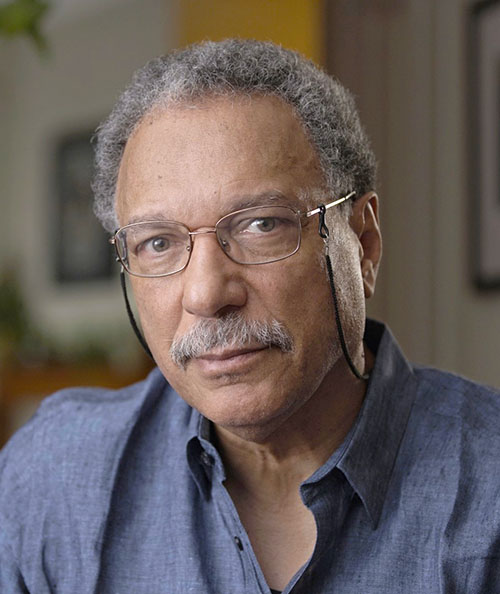
Peeters, Hans (Dr.)
Hans Peeters is associate professor at the Groningen Institute of Archaeology, University of Groningen. He obtained his PhD from the University of Amsterdam. As a specialist in the archaeology of hunter-gatherers and early farmers, he worked at the Dutch Cultural Heritage Agency from 1997 till 2009, and was involved in various projects, notably in Flevoland. In his work, he focusses on the relationship between landscape dynamics and hunter-gatherer behaviour.
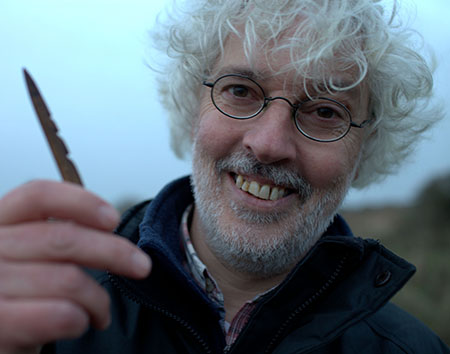
Pelzer, Christoph
Christoph Pelzer trained as interdisciplinary social scientist and historian of Africa. He worked with the archaeological team of Frankfurt University, Germany, on different sites in North-Eastern Burkina Faso. From 2003 to 2006, he formulated, financed and implemented the Oursi Hu-Beero project, an integrated approach to sustainable site preservation embedded in community-driven cultural tourism development.
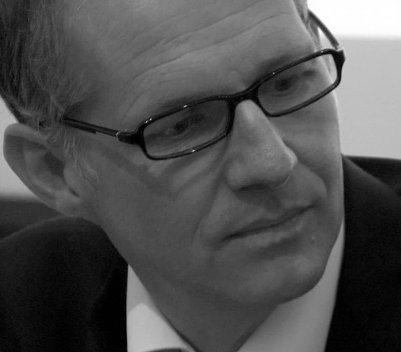
Pentz, Peter (Dr.)
Peter Pentz is MA in Medieval Archaeology from Aarhus University and Fil. Dr. from Gothenburg University. His areas of expertise are Islamic archaeology, Medieval and Viking Age archaeology and Museology. Peter has participated in archaeological fieldwork in Denmark, Norway, Greece, Syria and Tunisia. Currently he is curator at The National Museum of Denmark, where he previously served as Director of International Collections and Director of Research.
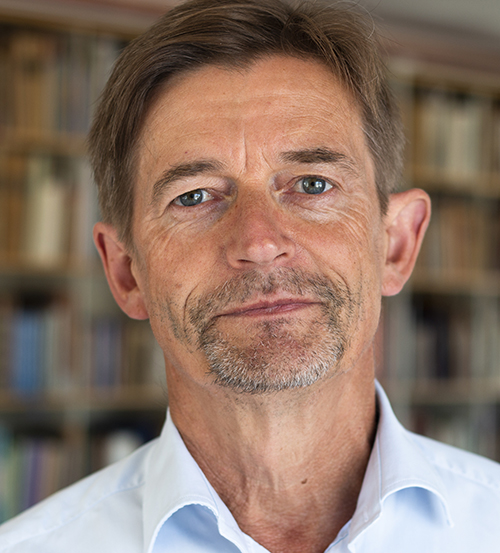
Périn, Patrick (Dr.)
Patrick Périn (1942–2026) completed his entire university education in history, art history and archaeology at the Sorbonne, where he defended his doctoral thesis in 1970 on The Dating of Merovingian Graves: History, Methods and Applications (published by Droz in Geneva in 1980). From 1971 to 1984, he was curator of the archaeological department of the Musée Carnavalet in Paris, before becoming director of the departmental museums of Seine-Maritime in Rouen, including the Musée départemental des Antiquités, from 1984 to 1996. He then served as director of the Musée d’Archéologie nationale from 1996 to 2012, after which he was granted emeritus status.

Pešoutová, Jana (Dr.)
Jana Pešoutová was born in Český Brod, Czech Republic in 1987. After obtaining her bachelor’s degree in applied linguistics at Palacký University in Olomouc in 2010, she moved to the Netherlands where she completed her Master in the Management of Cultural Diversity. Drawing on theories from social psychology, her master’s thesis focused on the impact of the social exclusion and its relationship with extremism among the youth. From 2013 she carried out her doctoral research as a part of the 1492 Nexus project at Faculty of Archaeology, Leiden University, The Netherlands.
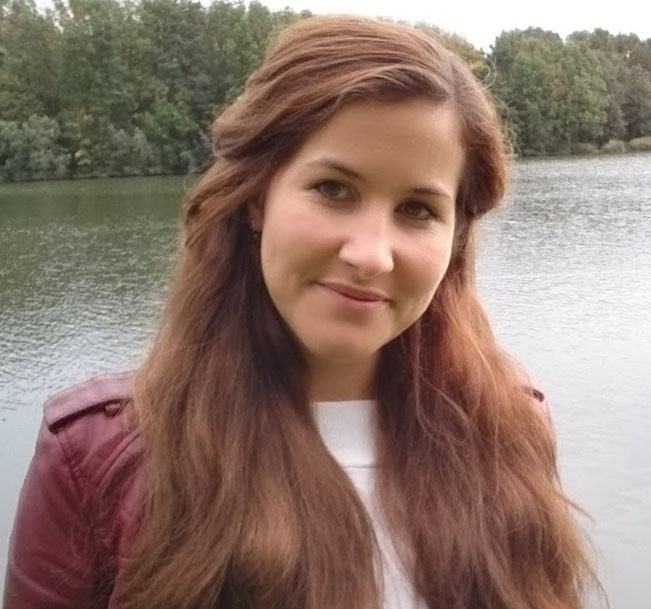
Petersen, Lars MA (MA)
Lars Petersen studied Classical Archaeology, Egyptology, and Near Eastern Studies at the universities of Tübingen, Paris, and Freiburg. He works as a curator and head of the Exhibitions Department for the Badisches Landesmuseum Karlsruhe. Petersen curated several exhibitions on archaeology, such as Ramesses the Great and lately Art Nouveau. He also teaches museology at the university of Freiburg.
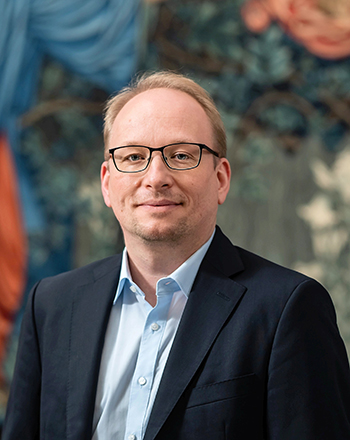
Pauly, Daniel (Prof. Dr.)
Daniel Pauly studied fisheries science in Germany but spent much of his career in the tropics, notably in the Philippines. Since 1994, he is a Professor of Fisheries at the University of British Columbia, in Vancouver, Canada, where he directs the Sea Around Us. Its research is devoted to studying, documenting and mitigating the impact of fisheries, and increasingly, the effects of global warming, on the world’s fish and marine ecosystems. The concepts, methods and software Daniel Pauly (co-)developed, are documented in over 1000 widely-cited publications, and have led to his receiving multiple scientific awards.
Peeters, Hans (Dr.)
Hans Peeters is associate professor at the Groningen Institute of Archaeology, University of Groningen. He obtained his PhD from the University of Amsterdam. As a specialist in the archaeology of hunter-gatherers and early farmers, he worked at the Dutch Cultural Heritage Agency from 1997 till 2009, and was involved in various projects, notably in Flevoland. In his work, he focusses on the relationship between landscape dynamics and hunter-gatherer behaviour.
Pelzer, Christoph
Christoph Pelzer trained as interdisciplinary social scientist and historian of Africa. He worked with the archaeological team of Frankfurt University, Germany, on different sites in North-Eastern Burkina Faso. From 2003 to 2006, he formulated, financed and implemented the Oursi Hu-Beero project, an integrated approach to sustainable site preservation embedded in community-driven cultural tourism development.
Pentz, Peter (Dr.)
Peter Pentz is MA in Medieval Archaeology from Aarhus University and Fil. Dr. from Gothenburg University. His areas of expertise are Islamic archaeology, Medieval and Viking Age archaeology and Museology. Peter has participated in archaeological fieldwork in Denmark, Norway, Greece, Syria and Tunisia. Currently he is curator at The National Museum of Denmark, where he previously served as Director of International Collections and Director of Research.
Périn, Patrick (Dr.)
Patrick Périn (1942–2026) completed his entire university education in history, art history and archaeology at the Sorbonne, where he defended his doctoral thesis in 1970 on The Dating of Merovingian Graves: History, Methods and Applications (published by Droz in Geneva in 1980). From 1971 to 1984, he was curator of the archaeological department of the Musée Carnavalet in Paris, before becoming director of the departmental museums of Seine-Maritime in Rouen, including the Musée départemental des Antiquités, from 1984 to 1996. He then served as director of the Musée d’Archéologie nationale from 1996 to 2012, after which he was granted emeritus status.
Pešoutová, Jana (Dr.)
Jana Pešoutová was born in Český Brod, Czech Republic in 1987. After obtaining her bachelor’s degree in applied linguistics at Palacký University in Olomouc in 2010, she moved to the Netherlands where she completed her Master in the Management of Cultural Diversity. Drawing on theories from social psychology, her master’s thesis focused on the impact of the social exclusion and its relationship with extremism among the youth. From 2013 she carried out her doctoral research as a part of the 1492 Nexus project at Faculty of Archaeology, Leiden University, The Netherlands.
Petersen, Lars MA (MA)
Lars Petersen studied Classical Archaeology, Egyptology, and Near Eastern Studies at the universities of Tübingen, Paris, and Freiburg. He works as a curator and head of the Exhibitions Department for the Badisches Landesmuseum Karlsruhe. Petersen curated several exhibitions on archaeology, such as Ramesses the Great and lately Art Nouveau. He also teaches museology at the university of Freiburg.