


The Cultural Context of Ceramics from Neolithic Mariupol-Type Cemeteries
Marta Andriiovych | Forthcoming
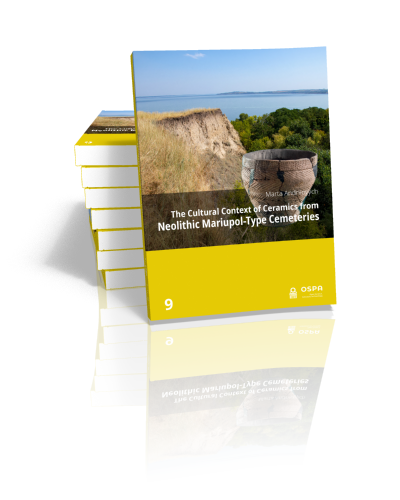
The Cultural Context of Ceramics from Neolithic Mariupol-Type Cemeteries
Marta Andriiovych | Forthcoming
Paperback ISBN: 9789464281415 | Hardback ISBN: 9789464281422 | Imprint: Sidestone Press Dissertations | Format: 210x280mm | ca. 220 pp. | Open Series in Prehistoric Archaeology 9 | Series: OSPA: Open Series in Prehistoric Archaeology | Language: English | 121 illus. (bw) | 78 illus. (fc) | Keywords: archaeology; Neolithic pottery; cultural context; cross-cultural influences; spread of pottery; Ukraine; funerary archaeology | download cover | DOI: 10.59641/w5457zi | CC-license: CC BY-NC 4.0
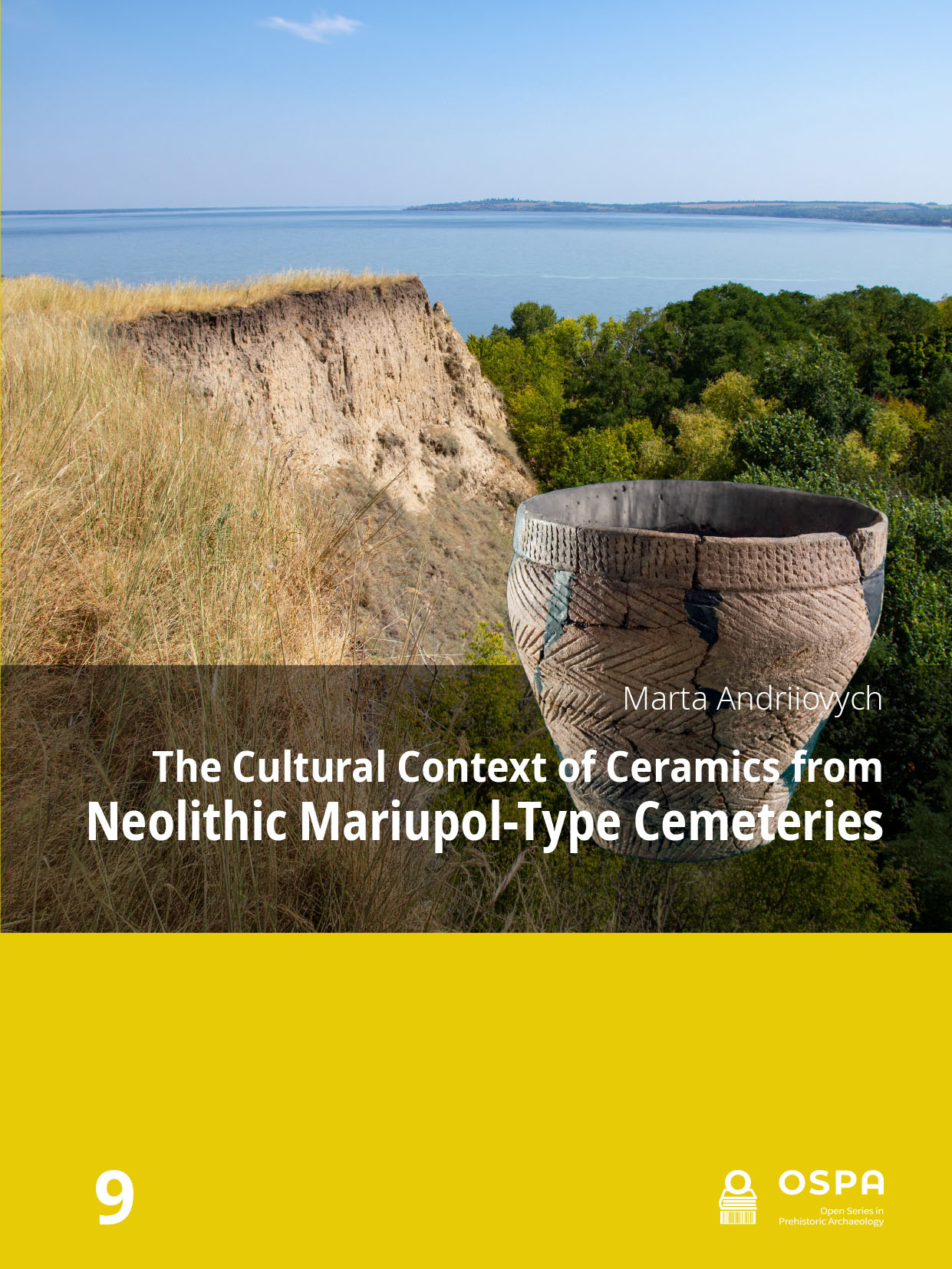
Publication date: 19-11-2026
-
Digital & Online access
Digital/Online version not (yet) available
-
Buy via Sidestone (EU & UK)
Get €5.00 discount on forthcoming books by using coupon code "PRE-ORDER" in your shopping cart!
-
Buy via our Distributors (WORLD)
For non-EU or UK destinations you can buy our books via our international distributors. Although prices may vary this will ensure speedy delivery and reduction in shipping costs or import tax. But you can also order with us directly via the module above.
For UK & other International destinations
For USA/Canada & other International destinations
-
Bookinfo
Paperback ISBN: 9789464281415 | Hardback ISBN: 9789464281422 | Imprint: Sidestone Press Dissertations | Format: 210x280mm | ca. 220 pp. | Open Series in Prehistoric Archaeology 9 | Series: OSPA: Open Series in Prehistoric Archaeology | Language: English | 121 illus. (bw) | 78 illus. (fc) | Keywords: archaeology; Neolithic pottery; cultural context; cross-cultural influences; spread of pottery; Ukraine; funerary archaeology | download cover | DOI: 10.59641/w5457zi | CC-license: CC BY-NC 4.0
Publication date: 19-11-2026

We will plant a tree for each order containing a paperback or hardback book via OneTreePlanted.org.
From 1927 to 1980, 24 Neolithic burial grounds dating from the 7th to 5th millennia BC were discovered in the Middle and Lower Dnieper River basin. All cemeteries had similar cemetery structures and characteristics. Simultaneously, the cemeteries were separated from the settlements, and not all of them remained in direct connection with each other. Among them, the cemeteries of Lysa Hora, Yasynuvate, Mykilske, Dereivka, and Chaplynka have ceramics among the funeral goods.
This research had several goals. The first goal was to summarise and revise the history of excavations of Neolithic cemeteries from the 20th century on the Dnieper River. The second goal was to implement pottery collections from the Lysa Hora cemetery in the scientific context. The cemetery was opened in 1959 and had a rich pottery collection of 88 vessels belonging to the burial ritual itself. The research provided an extensive description of the collection, a reconstruction of the vessel’s profiles, and a summary of the statistical information. The third goal was to develop a typological model based on the Lysa Hora pottery collection that can be used in future research on Neolithic ceramics. By developing this model, we were allowed to compare a relatively homogenous pottery assemblage, establish specific types of vessels depending on the shape/form, the composition of mass, and the characteristic ornamentation, and produce a detailed typology and chronology.
Implementing our typological scheme, we compared the ceramic complexes from the cemetery and settlement sites to find migration and social contacts in the region along the Dnieper River and nearby regions.
Chapter 1. Research History of Mariupol-Type Cemeteries
1.1. Discovery and Fieldwork of Neolithic-Chalcolithic Cemeteries from the 1930s to the Second World War
1.1.1. The Sobachky Cemetery
1.1.2. The Vynohradnyi Ostriv Cemetery
1.1.3. The Mariupol Cemetery
1.2. Discovery and Fieldwork of Neolithic-Eneolithic Cemeteries after the Second World War
1.2.1. The Nenasytetskyi Rapids Cemetery
1.2.2. The Vovnyhy 1 Left-Bank Cemetery
1.2.3. The Maryivka Cemetery
1.2.4. The Vovnyhy 2 Right-Bank Cemetery
1.2.5. The Vasylivka 2 Cemetery
1.2.6. The Chapli Cemetery
1.2.7. The Vilnianka Cemetery
1.2.8. The Mykilske Cemetery
1.2.9. The Lysa Hora Cemetery
1.3. Discovery and Fieldwork of Neolithic-Eneolithic Cemeteries, 1960–1985
1.3.1. The Dereivka Cemetery
1.3.2. The Kapulivka Cemetery
1.3.3. The Dolynka Cemetery
1.3.4. The Vasylivka 5 Cemetery
1.3.5. The Osypivka (Iosypivka) Cemetery
1.3.6. The Yasynuvate Cemetery
1.3.7. The Hospitalnyi Kholm Cemetery
Chapter 2. Investigations into Neolithic Pottery in the Territory of Ukraine and the Methodological Concepts of the Study
2.1. Investigations into Neolithic Pottery in the Territory of Ukraine
2.1.1. The First Ceramic Classification by D.Ya. Telehin
2.1.2. The Typological Scheme of V.M. Danylenko
2.1.3. The Typological Scheme of N.S. Kotova
2.2. The Theoretical and Methodological Basis of the Research
2.2.1. The Neolithic and Chalcolithic Periods in Archaeological Periodisation
2.2.2. 14C Data from Cemeteries
2.2.3. The Concepts of “Culture” and “Style” as a New Approach in Archaeological Investigations
2.2.4. Approaches in Pottery Studies
Chapter 3. The Typology, Classification, and Technology of Neolithic Ceramics
3.1. Typology and Classification of Pottery: Morphological Characteristics
3.2. Typology of Neolithic Ceramics in the Territory of Ukraine
3.3. Ornamentation and Plot-Design Analysis
3.3.1. Types of Neolithic Ornamentation
3.3.2. Combinations of Ornaments and Pattern Ornamentation Schemes
3.3.3. The Absence of Ornamentation Is Still Ornamentation
3.4. Technology
3.4.1. Technical Characteristics
3.4.2. The Influence of Clay Composition on the Periodisation of Ceramics
Chapter 4. Ceramics of Neolithic Mariupol-Type Cemeteries
4.1. Comparative Analysis of Cemeteries with Ceramic Finds
4.2. Ceramics from the Lysa Hora Cemetery
4.3. Catalogue of Ceramics from the Lysa Hora Cemetery
Chapter 5. Local Variabilities, Migration Processes, and Cross-Influences between Different Neolithic Tribes in the Region
5.1. Developed Typology of Ceramics from the Lysa Hora Cemetery
5.2. Traces of Interactions between Different Neolithic Groups in the Region
References
List of Tables
Figures
Dr. Marta Andriiovych
Marta Andriiovych studied archaeology and world history at Taras Shevchenko National University of Kyiv, where she obtained her BA (2014) and MA (2016) in archaeology. Between 2014 and 2017, she participated in the Network in Eastern European Neolithic and Wetland Archaeology (NEENAWA) project. In 2018, she began her PhD research at the Institute of Archaeological Sciences, University of Bern, supported by a Swiss Excellence Scholarship.

Andriiovych, M. (in press). The Cultural Context of Ceramics from Neolithic Mariupol-Type Cemeteries. Open Series in Prehistoric Archaeology 9. Sidestone Press. https://doi.org/10.59641/w5457zi
Abstract:
From 1927 to 1980, 24 Neolithic burial grounds dating from the 7th to 5th millennia BC were discovered in the Middle and Lower Dnieper River basin. All cemeteries had similar cemetery structures and characteristics. Simultaneously, the cemeteries were separated from the settlements, and not all of them remained in direct connection with each other. Among them, the cemeteries of Lysa Hora, Yasynuvate, Mykilske, Dereivka, and Chaplynka have ceramics among the funeral goods.
This research had several goals. The first goal was to summarise and revise the history of excavations of Neolithic cemeteries from the 20th century on the Dnieper River. The second goal was to implement pottery collections from the Lysa Hora cemetery in the scientific context. The cemetery was opened in 1959 and had a rich pottery collection of 88 vessels belonging to the burial ritual itself. The research provided an extensive description of the collection, a reconstruction of the vessel’s profiles, and a summary of the statistical information. The third goal was to develop a typological model based on the Lysa Hora pottery collection that can be used in future research on Neolithic ceramics. By developing this model, we were allowed to compare a relatively homogenous pottery assemblage, establish specific types of vessels depending on the shape/form, the composition of mass, and the characteristic ornamentation, and produce a detailed typology and chronology.
Implementing our typological scheme, we compared the ceramic complexes from the cemetery and settlement sites to find migration and social contacts in the region along the Dnieper River and nearby regions.
Contents
Chapter 1. Research History of Mariupol-Type Cemeteries
1.1. Discovery and Fieldwork of Neolithic-Chalcolithic Cemeteries from the 1930s to the Second World War
1.1.1. The Sobachky Cemetery
1.1.2. The Vynohradnyi Ostriv Cemetery
1.1.3. The Mariupol Cemetery
1.2. Discovery and Fieldwork of Neolithic-Eneolithic Cemeteries after the Second World War
1.2.1. The Nenasytetskyi Rapids Cemetery
1.2.2. The Vovnyhy 1 Left-Bank Cemetery
1.2.3. The Maryivka Cemetery
1.2.4. The Vovnyhy 2 Right-Bank Cemetery
1.2.5. The Vasylivka 2 Cemetery
1.2.6. The Chapli Cemetery
1.2.7. The Vilnianka Cemetery
1.2.8. The Mykilske Cemetery
1.2.9. The Lysa Hora Cemetery
1.3. Discovery and Fieldwork of Neolithic-Eneolithic Cemeteries, 1960–1985
1.3.1. The Dereivka Cemetery
1.3.2. The Kapulivka Cemetery
1.3.3. The Dolynka Cemetery
1.3.4. The Vasylivka 5 Cemetery
1.3.5. The Osypivka (Iosypivka) Cemetery
1.3.6. The Yasynuvate Cemetery
1.3.7. The Hospitalnyi Kholm Cemetery
Chapter 2. Investigations into Neolithic Pottery in the Territory of Ukraine and the Methodological Concepts of the Study
2.1. Investigations into Neolithic Pottery in the Territory of Ukraine
2.1.1. The First Ceramic Classification by D.Ya. Telehin
2.1.2. The Typological Scheme of V.M. Danylenko
2.1.3. The Typological Scheme of N.S. Kotova
2.2. The Theoretical and Methodological Basis of the Research
2.2.1. The Neolithic and Chalcolithic Periods in Archaeological Periodisation
2.2.2. 14C Data from Cemeteries
2.2.3. The Concepts of “Culture” and “Style” as a New Approach in Archaeological Investigations
2.2.4. Approaches in Pottery Studies
Chapter 3. The Typology, Classification, and Technology of Neolithic Ceramics
3.1. Typology and Classification of Pottery: Morphological Characteristics
3.2. Typology of Neolithic Ceramics in the Territory of Ukraine
3.3. Ornamentation and Plot-Design Analysis
3.3.1. Types of Neolithic Ornamentation
3.3.2. Combinations of Ornaments and Pattern Ornamentation Schemes
3.3.3. The Absence of Ornamentation Is Still Ornamentation
3.4. Technology
3.4.1. Technical Characteristics
3.4.2. The Influence of Clay Composition on the Periodisation of Ceramics
Chapter 4. Ceramics of Neolithic Mariupol-Type Cemeteries
4.1. Comparative Analysis of Cemeteries with Ceramic Finds
4.2. Ceramics from the Lysa Hora Cemetery
4.3. Catalogue of Ceramics from the Lysa Hora Cemetery
Chapter 5. Local Variabilities, Migration Processes, and Cross-Influences between Different Neolithic Tribes in the Region
5.1. Developed Typology of Ceramics from the Lysa Hora Cemetery
5.2. Traces of Interactions between Different Neolithic Groups in the Region
References
List of Tables
Figures
Dr. Marta Andriiovych
Marta Andriiovych studied archaeology and world history at Taras Shevchenko National University of Kyiv, where she obtained her BA (2014) and MA (2016) in archaeology. Between 2014 and 2017, she participated in the Network in Eastern European Neolithic and Wetland Archaeology (NEENAWA) project. In 2018, she began her PhD research at the Institute of Archaeological Sciences, University of Bern, supported by a Swiss Excellence Scholarship.
-
Digital & Online access
Digital/Online version not (yet) available
-
Buy via Sidestone (EU & UK)
Get €5.00 discount on forthcoming books by using coupon code "PRE-ORDER" in your shopping cart!
-
Buy via our Distributors (WORLD)
For non-EU or UK destinations you can buy our books via our international distributors. Although prices may vary this will ensure speedy delivery and reduction in shipping costs or import tax. But you can also order with us directly via the module above.
For UK & other International destinations
For USA/Canada & other International destinations
- Browse all books by subject
-
Search all books
We will plant a tree for each order containing a paperback or hardback book via OneTreePlanted.org.
You might also like:



© 2026 Sidestone Press KvK nr. 28114891 Privacy policy Sidestone Newsletter Terms and Conditions (Dutch)