


Elite Mobility and Funerary Practices in Early Iron Age Europe
Edited by Sasja van der Vaart-Verschoof | Forthcoming
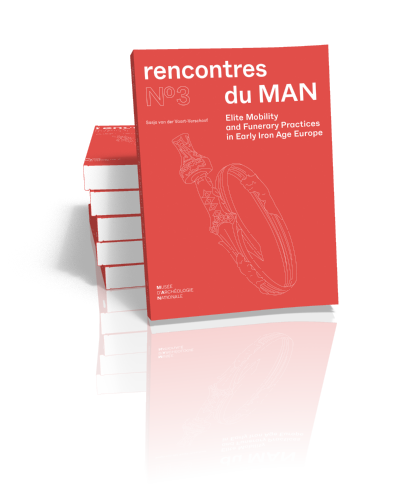
Elite Mobility and Funerary Practices in Early Iron Age Europe
Edited by Sasja van der Vaart-Verschoof | Forthcoming
Paperback ISBN: 9789464264876 | Hardback ISBN: 9789464264883 | Imprint: Sidestone Press | Format: 210x280mm | ca. 250 pp. | Rencontres du MAN 3 | Series: Rencontres du MAN | Language: English | 34 illus. (bw) | 81 illus. (fc) | Keywords: archaeology; Iron Age; mobility; funerary practices; elites | download cover | DOI: 10.59641/d8g4a5b6c7 | CC-license: CC BY-NC-ND 4.0
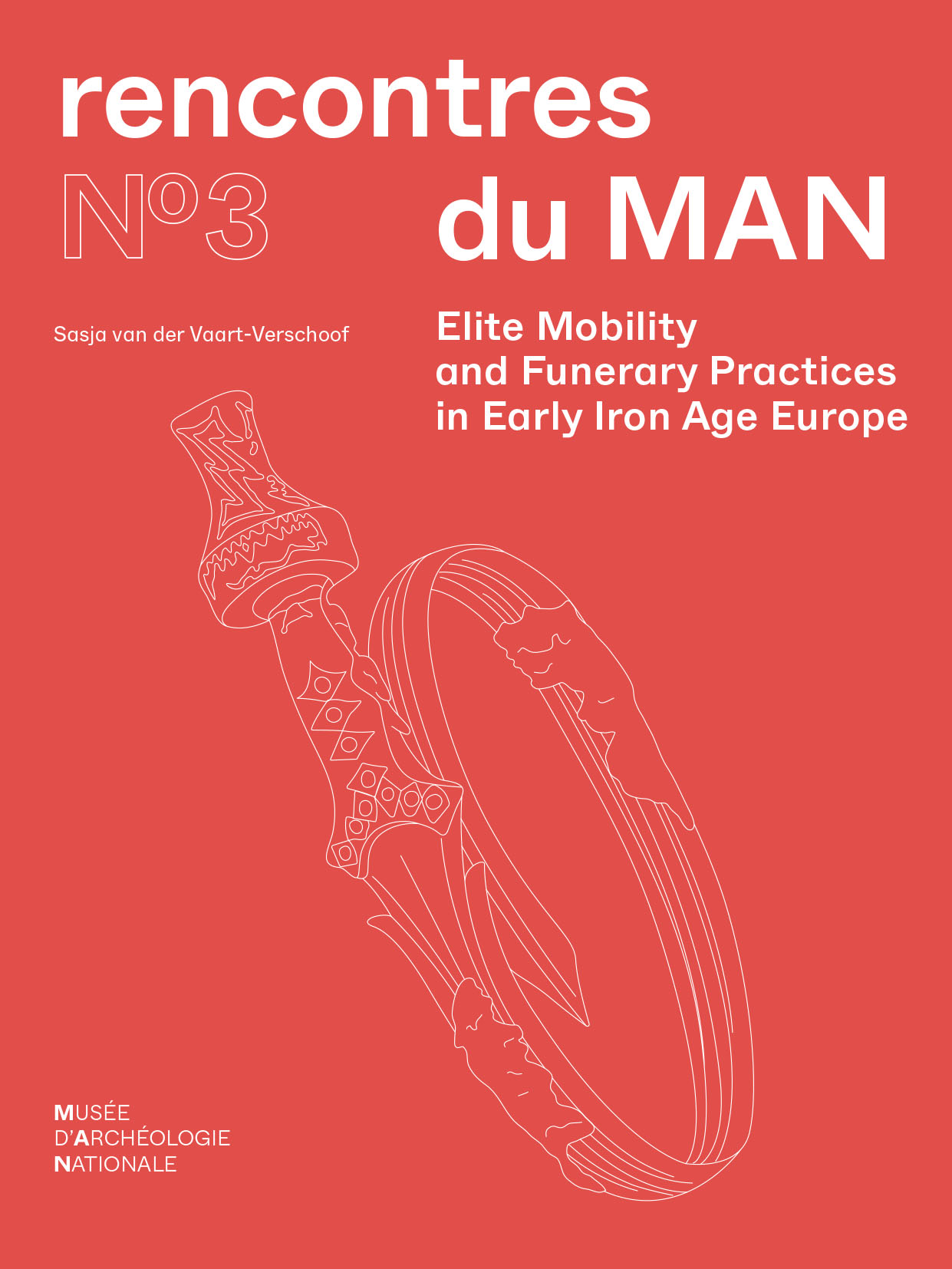
Publication date: 09-12-2026
-
Digital & Online access
Digital/Online version not (yet) available
-
Buy via Sidestone (EU & UK)
Get €5.00 discount on forthcoming books by using coupon code "PRE-ORDER" in your shopping cart!
-
Buy via our Distributors (WORLD)
For non-EU or UK destinations you can buy our books via our international distributors. Although prices may vary this will ensure speedy delivery and reduction in shipping costs or import tax. But you can also order with us directly via the module above.
For UK & other International destinations
For USA/Canada & other International destinations
-
Bookinfo
Paperback ISBN: 9789464264876 | Hardback ISBN: 9789464264883 | Imprint: Sidestone Press | Format: 210x280mm | ca. 250 pp. | Rencontres du MAN 3 | Series: Rencontres du MAN | Language: English | 34 illus. (bw) | 81 illus. (fc) | Keywords: archaeology; Iron Age; mobility; funerary practices; elites | download cover | DOI: 10.59641/d8g4a5b6c7 | CC-license: CC BY-NC-ND 4.0
Publication date: 09-12-2026

We will plant a tree for each order containing a paperback or hardback book via OneTreePlanted.org.
Across Europe, from the British Isles to Central Europe, archaeologists have uncovered the lavish burials of Early Iron Age elites—powerful figures who shaped the continent’s protohistory through vast networks of influence and exchange. Yet, modern borders and linguistic divides have long hindered a truly comprehensive understanding of their role during this pivotal period in Europe’s past.
Elite Mobility and Funerary Practices in Early Iron Age Europe presents the results of the first Joseph Déchelette Colloquium, held in 2022 at the Musée d’Archéologie Nationale in Saint-Germain-en-Laye, France. Leading specialists unite to explore princely burials and elite power structures from the Late Bronze Age (Ha B2–3) to the dawn of the Late Hallstatt period (Ha D1–2). By placing these remarkable burials within their wider geographic and chronological context, the contributors shed new light on the long-term transformations that defined the first millennium BC—an era in which Europe took shape.
Through cutting-edge research and fresh perspectives, this book offers a milestone in the study of European Iron Age archaeology, redefining our understanding of early elite networks and their lasting impact on the continent’s history.
French abstract
À travers toute l’Europe, des îles Britanniques à l’Europe centrale, les archéologues ont mis au jour les somptueuses sépultures des élites du premier âge du Fer, dont les figures puissantes ont façonné la protohistoire du continent par de vastes réseaux d’influence et d’échanges. Pourtant, les frontières modernes et les divisions linguistiques ont longtemps entravé une compréhension véritablement globale de leur rôle au cours de cette période décisive en Europe.
Elite Mobility and Funerary Practices in Early Iron Age Europe rassemble les actes du premier colloque Joseph Déchelette, tenu en 2022 au musée d’Archéologie nationale à Saint-Germain-en-Laye. Il a réuni des spécialistes de premier plan pour explorer les sépultures princières et les structures de pouvoir des élites depuis la fin de l’âge du Bronze (Ha B2–3) jusqu’à l’aube du Hallstatt final (Ha D1–2). En replaçant ces ensembles funéraires remarquables dans un large contexte géographique et chronologique, les contri-butions revisitent les transformations qui ont marqué sur le temps long le premier millénaire avant notre ère — quand l’Europe a pris son visage d’aujourd’hui.
Porté par des recherches de pointe et des perspectives renouvelées, cet ouvrage marque une étape dans l’étude de l’archéologie européenne de l’âge du Fer, en redéfinissant notre compréhension des réseaux d’élites précoces et de leur empreinte sur l’histoire du continent.
Preface
Sasja van der Vaart-Verschoof
PART 1 | ORIGINS & DEVELOPMENT OF ELITE GRAVES
Observing objects and fascinating fragments. How practice-based research changed our understanding of the Chieftain’s grave of Oss and elites in the Early Iron Age Low Countries
Sasja van der Vaart-Verschoof
Swords and shrouds, rings and razors. Late Hallstatt B and early Hallstatt C metal-bearing graves of the Low Countries
Eugène Warmenbol
Where are all the ‘Elites’? Hallstatt C metalwork from Britain and connections with the Continent
Matthew G. Knight & Brendan O’Connor
PART 2 | ELITE IDENTITY, STATUS & PRESTIGE
The Power of Iron. Fealty and the Means by which the Celtic Aristocracies of Western Europe Carried Their Memory Forward (4th to 8th century BC)
Laurent Olivier
A marker of the elite? Thoughts on Early Iron Age burials with anthropomorphisation
Maria Kohle
Ostentatiously dressing the dead. Burial rites and textiles in the Early Iron Age
Karina Grömer, Sasja van der Vaart-Verschoof & Robert Schumann
PART 3 | THE SPREAD OF ELITE GRAVES: NETWORKS & MOBILITY
The Early Iron Age (Ha C-D1) elite in Bohemia as evidence of the mobility of the contemporary communities
Martin Trefný, Jana Doležalová & David Daněček
Rich female graves of the Iron Age in southwestern Germany
Dirk Krausse, Leif Hanse & Nicole Ebinger
Hallstatt Period hoards from Slovakia. Evidence of supra-regional contacts
Erika Makarová
The spread of Early Iron Age elite graves. Networks and mobility
Guy De Mulder, Martine Vercauteren, Mathieu Boudin, Eugène Warmenbol, Giacomo Capuzzo, Kevin Salesse, Charlotte Sabaux, Sarah Dalle, Elisavet Stamataki, Amanda Sengeløv, Marta Hlad, Rica Annaert, Barbara Veselka & Christophe Snoeck
An Iron Age Spider’s Web. Trans-regional Elite Communication at Dürrnberg ‘Salt Metropolis’
Holger Wendling
Ways to and from Mitterkirchen. Rich Hallstatt C Graves and ‘Elite Mobility’
Jutta Leskovar

Dr. Sasja van der Vaart-Verschoof
Sasja van der Vaart-Verschoof is a freelance consultant, researcher and editor known as the Overdressed Archeologist & Editor. In addition to publishing half a dozen books with us, she frequently collaborates with Sidestone Press doing both copy editing, book design and our social media marketing.

Van der Vaart-Verschoof, S. (Ed.). (in press). Elite Mobility and Funerary Practices in Early Iron Age Europe. Rencontres du MAN 3. Sidestone Press. https://doi.org/10.59641/d8g4a5b6c7
Abstract:
Across Europe, from the British Isles to Central Europe, archaeologists have uncovered the lavish burials of Early Iron Age elites—powerful figures who shaped the continent’s protohistory through vast networks of influence and exchange. Yet, modern borders and linguistic divides have long hindered a truly comprehensive understanding of their role during this pivotal period in Europe’s past.
Elite Mobility and Funerary Practices in Early Iron Age Europe presents the results of the first Joseph Déchelette Colloquium, held in 2022 at the Musée d’Archéologie Nationale in Saint-Germain-en-Laye, France. Leading specialists unite to explore princely burials and elite power structures from the Late Bronze Age (Ha B2–3) to the dawn of the Late Hallstatt period (Ha D1–2). By placing these remarkable burials within their wider geographic and chronological context, the contributors shed new light on the long-term transformations that defined the first millennium BC—an era in which Europe took shape.
Through cutting-edge research and fresh perspectives, this book offers a milestone in the study of European Iron Age archaeology, redefining our understanding of early elite networks and their lasting impact on the continent’s history.
French abstract
À travers toute l’Europe, des îles Britanniques à l’Europe centrale, les archéologues ont mis au jour les somptueuses sépultures des élites du premier âge du Fer, dont les figures puissantes ont façonné la protohistoire du continent par de vastes réseaux d’influence et d’échanges. Pourtant, les frontières modernes et les divisions linguistiques ont longtemps entravé une compréhension véritablement globale de leur rôle au cours de cette période décisive en Europe.
Elite Mobility and Funerary Practices in Early Iron Age Europe rassemble les actes du premier colloque Joseph Déchelette, tenu en 2022 au musée d’Archéologie nationale à Saint-Germain-en-Laye. Il a réuni des spécialistes de premier plan pour explorer les sépultures princières et les structures de pouvoir des élites depuis la fin de l’âge du Bronze (Ha B2–3) jusqu’à l’aube du Hallstatt final (Ha D1–2). En replaçant ces ensembles funéraires remarquables dans un large contexte géographique et chronologique, les contri-butions revisitent les transformations qui ont marqué sur le temps long le premier millénaire avant notre ère — quand l’Europe a pris son visage d’aujourd’hui.
Porté par des recherches de pointe et des perspectives renouvelées, cet ouvrage marque une étape dans l’étude de l’archéologie européenne de l’âge du Fer, en redéfinissant notre compréhension des réseaux d’élites précoces et de leur empreinte sur l’histoire du continent.
Contents
Preface
Sasja van der Vaart-Verschoof
PART 1 | ORIGINS & DEVELOPMENT OF ELITE GRAVES
Observing objects and fascinating fragments. How practice-based research changed our understanding of the Chieftain’s grave of Oss and elites in the Early Iron Age Low Countries
Sasja van der Vaart-Verschoof
Swords and shrouds, rings and razors. Late Hallstatt B and early Hallstatt C metal-bearing graves of the Low Countries
Eugène Warmenbol
Where are all the ‘Elites’? Hallstatt C metalwork from Britain and connections with the Continent
Matthew G. Knight & Brendan O’Connor
PART 2 | ELITE IDENTITY, STATUS & PRESTIGE
The Power of Iron. Fealty and the Means by which the Celtic Aristocracies of Western Europe Carried Their Memory Forward (4th to 8th century BC)
Laurent Olivier
A marker of the elite? Thoughts on Early Iron Age burials with anthropomorphisation
Maria Kohle
Ostentatiously dressing the dead. Burial rites and textiles in the Early Iron Age
Karina Grömer, Sasja van der Vaart-Verschoof & Robert Schumann
PART 3 | THE SPREAD OF ELITE GRAVES: NETWORKS & MOBILITY
The Early Iron Age (Ha C-D1) elite in Bohemia as evidence of the mobility of the contemporary communities
Martin Trefný, Jana Doležalová & David Daněček
Rich female graves of the Iron Age in southwestern Germany
Dirk Krausse, Leif Hanse & Nicole Ebinger
Hallstatt Period hoards from Slovakia. Evidence of supra-regional contacts
Erika Makarová
The spread of Early Iron Age elite graves. Networks and mobility
Guy De Mulder, Martine Vercauteren, Mathieu Boudin, Eugène Warmenbol, Giacomo Capuzzo, Kevin Salesse, Charlotte Sabaux, Sarah Dalle, Elisavet Stamataki, Amanda Sengeløv, Marta Hlad, Rica Annaert, Barbara Veselka & Christophe Snoeck
An Iron Age Spider’s Web. Trans-regional Elite Communication at Dürrnberg ‘Salt Metropolis’
Holger Wendling
Ways to and from Mitterkirchen. Rich Hallstatt C Graves and ‘Elite Mobility’
Jutta Leskovar
Dr. Sasja van der Vaart-Verschoof
Sasja van der Vaart-Verschoof is a freelance consultant, researcher and editor known as the Overdressed Archeologist & Editor. In addition to publishing half a dozen books with us, she frequently collaborates with Sidestone Press doing both copy editing, book design and our social media marketing.
-
Digital & Online access
Digital/Online version not (yet) available
-
Buy via Sidestone (EU & UK)
Get €5.00 discount on forthcoming books by using coupon code "PRE-ORDER" in your shopping cart!
-
Buy via our Distributors (WORLD)
For non-EU or UK destinations you can buy our books via our international distributors. Although prices may vary this will ensure speedy delivery and reduction in shipping costs or import tax. But you can also order with us directly via the module above.
For UK & other International destinations
For USA/Canada & other International destinations
- Browse all books by subject
-
Search all books
We will plant a tree for each order containing a paperback or hardback book via OneTreePlanted.org.
You might also like:




© 2026 Sidestone Press KvK nr. 28114891 Privacy policy Sidestone Newsletter Terms and Conditions (Dutch)