


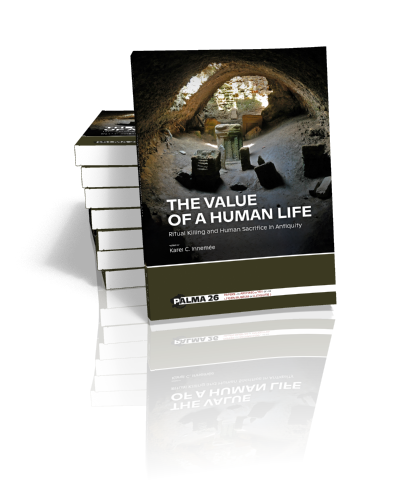
The Value of a Human Life
Ritual Killing and Human Sacrifice in Antiquity
Edited by Karel C. Innemée | 2022
Throughout the millennia and all over the world people have been killed by others, not only in wars and as a result of murders, but also in a ritualised way, often called human sacrifice. Much…

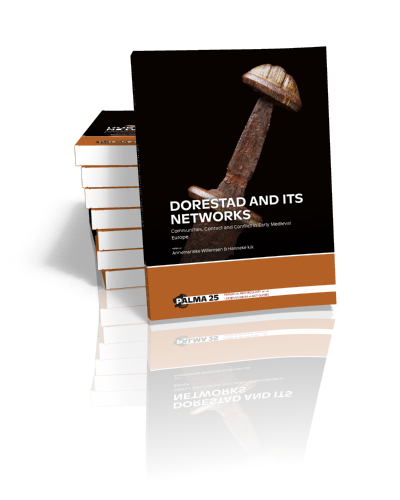
Dorestad and its Networks
Communities, Contact and Conflict in Early Medieval Europe
Edited by Annemarieke Willemsen & Hanneke Kik | 2021
Dorestad was the largest town of the Low Countries in the Carolingian era. As a riverine emporium on the northern edge of the Frankish Empire, it functioned as a European junction, connecting the Viking world…
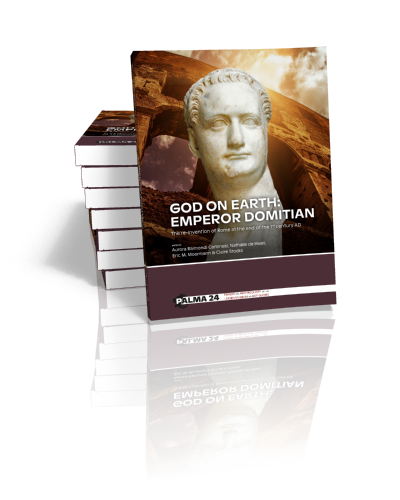
God on Earth: Emperor Domitian
The re-invention of Rome at the end of the 1st century AD
Edited by Aurora Raimondi Cominesi, Nathalie de Haan, Eric M. Moormann & Claire Stocks | 2021
In life, the emperor Domitian (81-96 CE) marketed himself as a god; after his assassination he was condemned to be forgotten. Nonetheless he oversaw a literary, cultural, and monumental revival on a scale not witnessed…
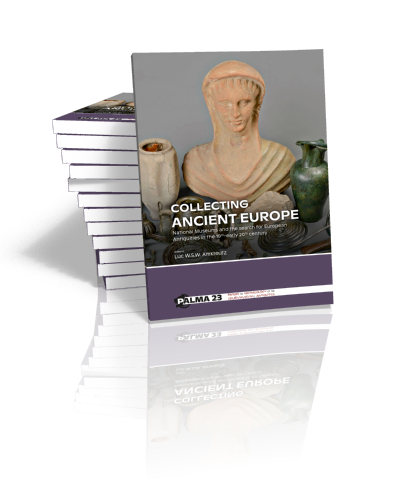
Collecting Ancient Europe
National Museums and the search for European Antiquities in the 19th-early 20th century
Edited by Luc W.S.W. Amkreutz | 2020
In order to understand our past, we need to understand ourselves as archaeologists and our discipline. This volume presents recent research into collecting practices of European Antiquities by national museums, institutes and individuals during the…
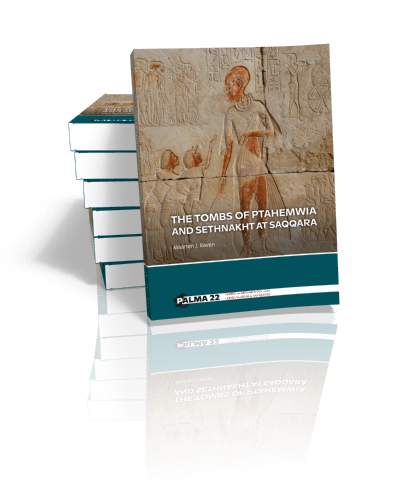
The tombs of Ptahemwia and Sethnakht at Saqqara
Maarten J. Raven | 2020
The two tombs dealt with in this book were discovered in 2007 and 2010 by the Leiden Expedition in the New Kingdom necropolis of Saqqara. Both date to the transition period between the reign of…
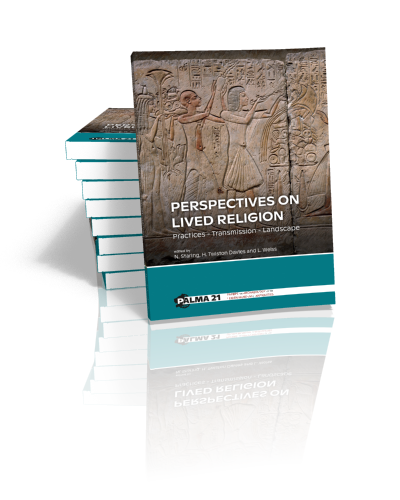
Perspectives on Lived Religion
Practices - Transmission - Landscape
Edited by Nico Staring, Huw Twiston Davies and Lara Weiss | 2019
Religion in the ancient world, and ancient Egyptian religion in particular, is often perceived as static, hierarchically organised, and centred on priests, tombs, and temples. Engagement with archaeological and textual evidence dispels these beguiling if…
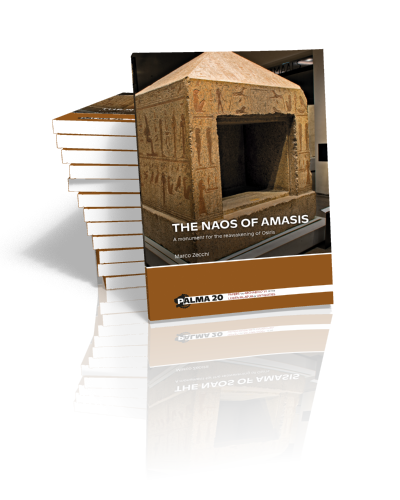
The naos of Amasis
A monument for the reawakening of Osiris
Marco Zecchi | 2019
The naos AM 107 of the Museum of Antiquities in Leiden was made by order of king Amasis in the 6th century BC, a period that saw an intense production of monolithic shrines. Despite its…
Search results for PALMA
:
The Value of a Human Life
Ritual Killing and Human Sacrifice in Antiquity
Edited by Karel C. Innemée | 2022
Throughout the millennia and all over the world people have been killed by others, not only in wars and as a result of murders, but also in a ritualised way, often called human sacrifice. Much…
Dorestad and its Networks
Communities, Contact and Conflict in Early Medieval Europe
Edited by Annemarieke Willemsen & Hanneke Kik | 2021
Dorestad was the largest town of the Low Countries in the Carolingian era. As a riverine emporium on the northern edge of the Frankish Empire, it functioned as a European junction, connecting the Viking world…
God on Earth: Emperor Domitian
The re-invention of Rome at the end of the 1st century AD
Edited by Aurora Raimondi Cominesi, Nathalie de Haan, Eric M. Moormann & Claire Stocks | 2021
In life, the emperor Domitian (81-96 CE) marketed himself as a god; after his assassination he was condemned to be forgotten. Nonetheless he oversaw a literary, cultural, and monumental revival on a scale not witnessed…
Collecting Ancient Europe
National Museums and the search for European Antiquities in the 19th-early 20th century
Edited by Luc W.S.W. Amkreutz | 2020
In order to understand our past, we need to understand ourselves as archaeologists and our discipline. This volume presents recent research into collecting practices of European Antiquities by national museums, institutes and individuals during the…
The tombs of Ptahemwia and Sethnakht at Saqqara
Maarten J. Raven | 2020
The two tombs dealt with in this book were discovered in 2007 and 2010 by the Leiden Expedition in the New Kingdom necropolis of Saqqara. Both date to the transition period between the reign of…
Perspectives on Lived Religion
Practices - Transmission - Landscape
Edited by Nico Staring, Huw Twiston Davies and Lara Weiss | 2019
Religion in the ancient world, and ancient Egyptian religion in particular, is often perceived as static, hierarchically organised, and centred on priests, tombs, and temples. Engagement with archaeological and textual evidence dispels these beguiling if…
The naos of Amasis
A monument for the reawakening of Osiris
Marco Zecchi | 2019
The naos AM 107 of the Museum of Antiquities in Leiden was made by order of king Amasis in the 6th century BC, a period that saw an intense production of monolithic shrines. Despite its…
Browse by subject